Is Expense Reimbursement Fraud Still a Thing in Construction? The Answer is Yes.
Is Expense Reimbursement Fraud Still a Thing in Construction? The Answer is Yes.
According to the Report to the Nations™ from the Association of Certified Fraud Examiners, each instance of expense reimbursement fraud costs an average of $40,000 in loss and takes 18 months to detect. Those numbers increase even more when the fraud is committed by a manager rather than an hourly employee. Further, this type of occupational fraud accounts for 17 percent of all occupational fraud schemes in the United States. So, yeah. It’s still a thing. But that doesn’t mean you’re defenseless against expense abuses.
According to the Report to the Nations™ from the Association of Certified Fraud Examiners, each instance of expense reimbursement fraud costs an average of $40,000 in loss and takes 18 months to detect. Those numbers increase even more when the fraud is committed by a manager rather than an hourly employee. Further, this type of occupational fraud accounts for 17 percent of all occupational fraud schemes in the United States. So, yeah. It’s still a thing. But that doesn’t mean you’re defenseless against expense abuses.

What is expense reimbursement fraud?
What is expense reimbursement fraud? Broadly speaking, intentionally mischaracterized, overstated, or fictitious expenses fall into this category. It's a common belief that building and publishing a robust expense report policy means everyone will fall in line. After all, we trust our employees, right? Of course. But as Ronald Regan said, “Trust but verify." As such, we are told to back up that policy with multiple layers of manual approvals, onerous documentation requirements, and periodic audits. Unfortunately, these steps happen days, weeks, or even months after the transaction occurs. A job might already be finished by the time discrepancies are uncovered.
Common types of expense reimbursement fraud
This is pretty shocking when you stop to consider the ramifications. Digging deeper, there are multiple types of expense reimbursement fraud that an employee might engage in. These include:
What is expense reimbursement fraud?
What is expense reimbursement fraud? Broadly speaking, intentionally mischaracterized, overstated, or fictitious expenses fall into this category. It's a common belief that building and publishing a robust expense report policy means everyone will fall in line. After all, we trust our employees, right? Of course. But as Ronald Regan said, “Trust but verify." As such, we are told to back up that policy with multiple layers of manual approvals, onerous documentation requirements, and periodic audits. Unfortunately, these steps happen days, weeks, or even months after the transaction occurs. A job might already be finished by the time discrepancies are uncovered.
Common types of expense reimbursement fraud
This is pretty shocking when you stop to consider the ramifications. Digging deeper, there are multiple types of expense reimbursement fraud that an employee might engage in. These include:
Mischaracterizing expenses: Personal gas fill ups or groceries that are wrongfully charged to the company.
Legitimate but inflated expenses: Overstated company expenses that are legitimate, but outsized. This includes things like a run to the hardware store that is expensed at a much higher price.
Fake expenses: Things like fabricated supply costs or vendor payments. These expenses never really happened, but they’re difficult to catch because they blend in with regular spending.
Multiple reimbursements: The same charge is reimbursed multiple times.
Receipt manipulation: Tampering with actual receipts for false purchases or inflated reimbursements.
Unfortunately, fraud might begin small but it doesn’t usually stay that way. The ACFE’s report estimates that businesses lose roughly 5% of their total revenue to fraud each year.
How to combat expense reimbursement fraud
Mischaracterizing expenses: Personal gas fill ups or groceries that are wrongfully charged to the company.
Legitimate but inflated expenses: Overstated company expenses that are legitimate, but outsized. This includes things like a run to the hardware store that is expensed at a much higher price.
Fake expenses: Things like fabricated supply costs or vendor payments. These expenses never really happened, but they’re difficult to catch because they blend in with regular spending.
Multiple reimbursements: The same charge is reimbursed multiple times.
Receipt manipulation: Tampering with actual receipts for false purchases or inflated reimbursements.
Unfortunately, fraud might begin small but it doesn’t usually stay that way. The ACFE’s report estimates that businesses lose roughly 5% of their total revenue to fraud each year.
How to combat expense reimbursement fraud
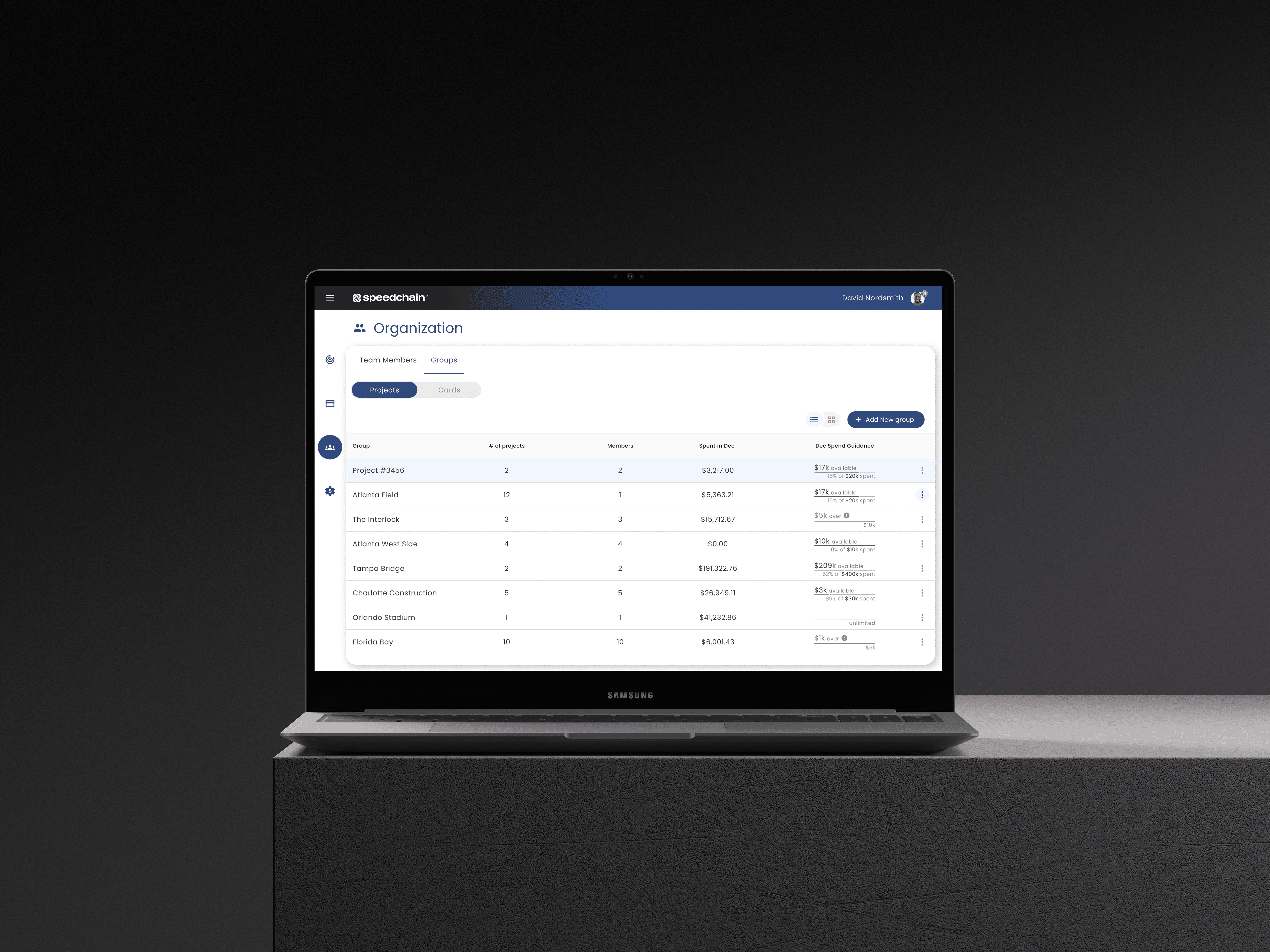
It’s time to move beyond the forensic approach of approval policies and audits and into the modern system of real-time controls and visibility. Should you publish an expense policy? Absolutely! In addition, you should take steps to do the following:
Stop potential fraudulent or out-of-policy transactions at the point of sale.
Speed up your reconciliation process to spot anomalies.
Reduce manual reconciliation workload with integrated spend management tools that catch fraud and errors.
Unfortunately, traditional commercial card programs don't support these proactive steps. Your commercial card program should allow you to do the following:
Access spend data at the time of transaction.
Set budgets by individual and group per period.
Specify which or what types of merchants are allowable and block those that aren't.
Place geographic limits on purchases.
Disable or pause a card immediately due to suspected fraud or loss.
Prompt the card user for receipt uploads and cost coding on the spot, and lock cards that are non-compliant.
These capabilities give you up-to-the-minute control over, and insight into spend coupled with automated reconciliation. Audit your commercial card program for these functions to make sure it’s working for, not against you.
It’s time to move beyond the forensic approach of approval policies and audits and into the modern system of real-time controls and visibility. Should you publish an expense policy? Absolutely! In addition, you should take steps to do the following:
Stop potential fraudulent or out-of-policy transactions at the point of sale.
Speed up your reconciliation process to spot anomalies.
Reduce manual reconciliation workload with integrated spend management tools that catch fraud and errors.
Unfortunately, traditional commercial card programs don't support these proactive steps. Your commercial card program should allow you to do the following:
Access spend data at the time of transaction.
Set budgets by individual and group per period.
Specify which or what types of merchants are allowable and block those that aren't.
Place geographic limits on purchases.
Disable or pause a card immediately due to suspected fraud or loss.
Prompt the card user for receipt uploads and cost coding on the spot, and lock cards that are non-compliant.
These capabilities give you up-to-the-minute control over, and insight into spend coupled with automated reconciliation. Audit your commercial card program for these functions to make sure it’s working for, not against you.
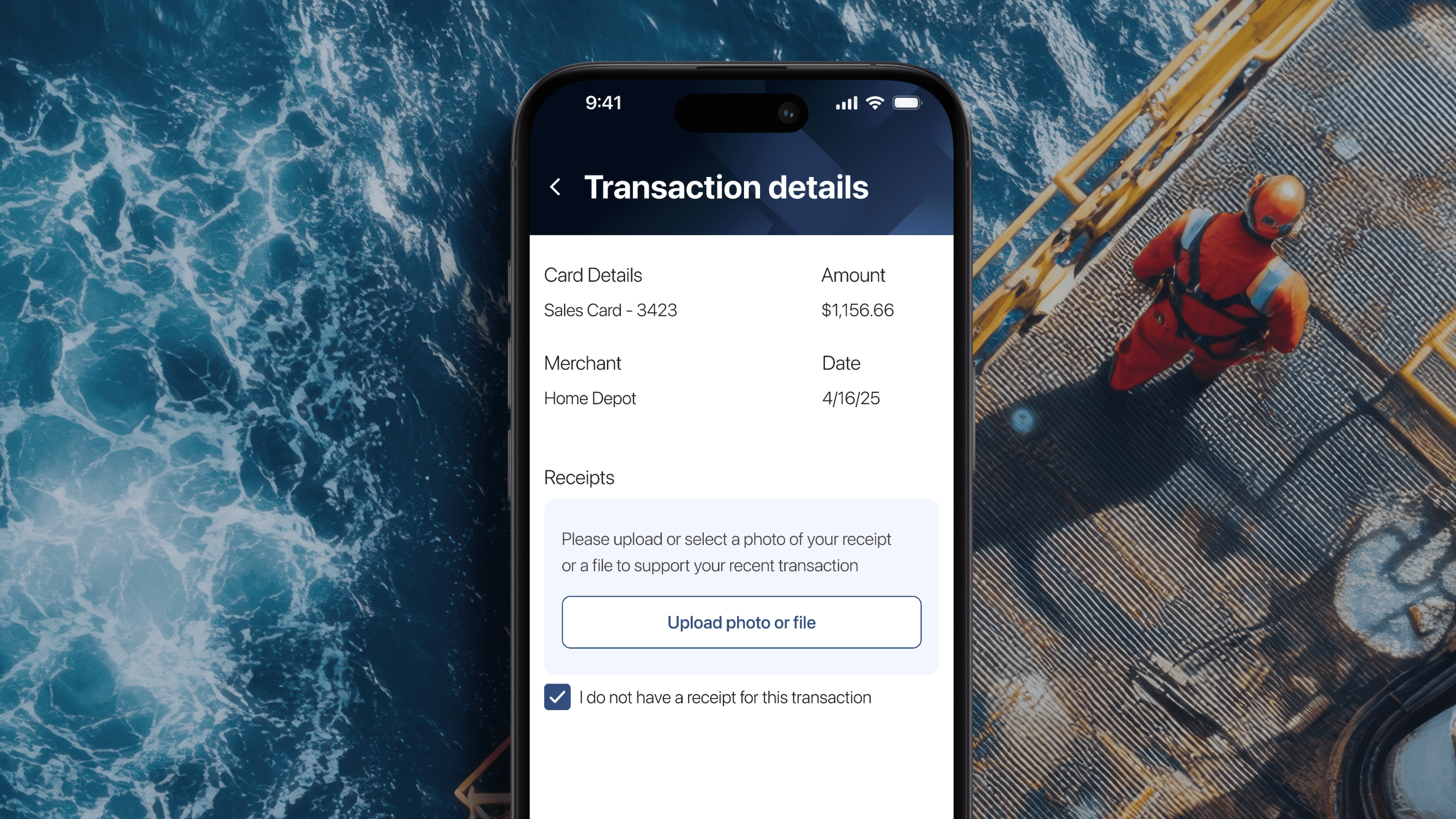
What expense control and visibility look like in construction
No system or process is 100 percent fraud-proof, but you can take steps to protect your company from expense reimbursement abuses. A modern commercial card program that lets you spot fraud in real time, block suspicious transactions, and see trends over time is one of the best ways to start combating fraud.
Contact Speedchain to learn more about the real-time controls and visibility of your commercial card program.
What expense control and visibility look like in construction
No system or process is 100 percent fraud-proof, but you can take steps to protect your company from expense reimbursement abuses. A modern commercial card program that lets you spot fraud in real time, block suspicious transactions, and see trends over time is one of the best ways to start combating fraud.
Contact Speedchain to learn more about the real-time controls and visibility of your commercial card program.
