Construction Spend Approvals: How to Streamline for the Jobsite
Construction Spend Approvals: How to Streamline for the Jobsite

In construction finance, spend approvals are where jobsite progress hits pause. No matter how small, every purchase passes through a series of internal emails, sign offs, and spreadsheets before it’s cleared.
But as your projects multiply and your team grows, manual approval systems become a drag on your productivity. Your challenge as a controller is managing the speed of approvals while remaining in compliance.
When approvals slow the jobsite
Many construction approval processes were built for offices rather than jobsites, and don’t quite fit the way construction operates. Requiring paper forms and manual routing creates bottlenecks in a business that runs on movement.
For a company running 20 active projects, a single delayed approval can ripple across the schedule. Materials arrive late, subcontractors wait, and finance works overtime to adjust cash flow forecasts. These types of micro-delays compound into lost days and thinner margins.
Controllers often inherit these policy inefficiencies. It seems normal to spend hours tracking email threads, verifying signatures, and reconciling mismatched requests, each approval becoming a small audit instead of a quick confirmation.
The cost of rigid workflows
Rigid approval chains feel safe on paper, but they are costly in practice. It is difficult to remain agile as a team when every transaction follows the same multi-step route. For example, a project manager purchasing safety gear doesn’t require the same approval path as a CFO authorizing heavy equipment purchases, but they frequently follow the same process.
This way of operating can drain time from finance and field teams alike. Overly complex approvals result in three fairly predictable outcomes:
Delayed decisions: Time-sensitive purchases are postponed while waiting for sign-off.
Shadow spending: Field teams bypass the system to keep projects moving.
Audit concerns: Untracked approvals create gaps that only surface during reconciliation.
Why traditional systems break down
As we’ve discussed, legacy approval systems such as spreadsheets and email threads were not designed for construction’s decentralized structure. They assume clear hierarchies and predictable workflows, but construction is anything but predictable. Projects are fluid, team structures change, responsibilities shift, and spend patterns vary by phase.
The dynamic nature of our industry exposes the limitations of static approval hierarchies. For example, when new cost codes or project teams are added, workflows must be rebuilt. Approvals get routed to the wrong managers or sit idle in inboxes. Finance teams are forced to chase sign-offs to close the books. The result is inefficiency for the sake of compliance.
What streamlined approvals look like
In contrast, streamlined approval systems reflect how construction teams operate. They involve modern spend management tools that are flexible, role-based, and adaptive to project complexity. Instead of routing every transaction through the same path, a streamlined approval workflow adjusts easily based on predefined logic.
Key features of effective approval workflows include:
Role-based routing: Approvals go directly to the appropriate manager or superintendent based on project or department.
Spending thresholds: Transaction limits and parameters can be set according to business needs. As an example, transactions under a set limit can auto-approve, while larger expenses trigger tiered reviews.
Mobile access: Field teams can upload receipts and code purchases from anywhere via mobile, rather than keeping a stack of receipts for later. This allows finance to review and approve transactions in real time, rather than weeks after the fact.
Bringing field and finance together
Effective approvals bridge two worlds: the immediacy of the field and the accountability of finance. When both operate in sync, projects stay on time and data is clean and ready to use.
As a construction controller, you do not have to choose between control and convenience for spending approvals. When approvals are transparent and automated, everyone benefits. The field avoids delays, finance gains visibility, and leaders maintain control.
How Speedchain is changing the equation
Speedchain simplifies and accelerates the approval process without sacrificing financial control. Built for construction’s pace, Speedchain is a commercial credit card and expense management platform with dynamic workflows that route transactions to the right person based on project and role.
In construction finance, spend approvals are where jobsite progress hits pause. No matter how small, every purchase passes through a series of internal emails, sign offs, and spreadsheets before it’s cleared.
But as your projects multiply and your team grows, manual approval systems become a drag on your productivity. Your challenge as a controller is managing the speed of approvals while remaining in compliance.
When approvals slow the jobsite
Many construction approval processes were built for offices rather than jobsites, and don’t quite fit the way construction operates. Requiring paper forms and manual routing creates bottlenecks in a business that runs on movement.
For a company running 20 active projects, a single delayed approval can ripple across the schedule. Materials arrive late, subcontractors wait, and finance works overtime to adjust cash flow forecasts. These types of micro-delays compound into lost days and thinner margins.
Controllers often inherit these policy inefficiencies. It seems normal to spend hours tracking email threads, verifying signatures, and reconciling mismatched requests, each approval becoming a small audit instead of a quick confirmation.
The cost of rigid workflows
Rigid approval chains feel safe on paper, but they are costly in practice. It is difficult to remain agile as a team when every transaction follows the same multi-step route. For example, a project manager purchasing safety gear doesn’t require the same approval path as a CFO authorizing heavy equipment purchases, but they frequently follow the same process.
This way of operating can drain time from finance and field teams alike. Overly complex approvals result in three fairly predictable outcomes:
Delayed decisions: Time-sensitive purchases are postponed while waiting for sign-off.
Shadow spending: Field teams bypass the system to keep projects moving.
Audit concerns: Untracked approvals create gaps that only surface during reconciliation.
Why traditional systems break down
As we’ve discussed, legacy approval systems such as spreadsheets and email threads were not designed for construction’s decentralized structure. They assume clear hierarchies and predictable workflows, but construction is anything but predictable. Projects are fluid, team structures change, responsibilities shift, and spend patterns vary by phase.
The dynamic nature of our industry exposes the limitations of static approval hierarchies. For example, when new cost codes or project teams are added, workflows must be rebuilt. Approvals get routed to the wrong managers or sit idle in inboxes. Finance teams are forced to chase sign-offs to close the books. The result is inefficiency for the sake of compliance.
What streamlined approvals look like
In contrast, streamlined approval systems reflect how construction teams operate. They involve modern spend management tools that are flexible, role-based, and adaptive to project complexity. Instead of routing every transaction through the same path, a streamlined approval workflow adjusts easily based on predefined logic.
Key features of effective approval workflows include:
Role-based routing: Approvals go directly to the appropriate manager or superintendent based on project or department.
Spending thresholds: Transaction limits and parameters can be set according to business needs. As an example, transactions under a set limit can auto-approve, while larger expenses trigger tiered reviews.
Mobile access: Field teams can upload receipts and code purchases from anywhere via mobile, rather than keeping a stack of receipts for later. This allows finance to review and approve transactions in real time, rather than weeks after the fact.
Bringing field and finance together
Effective approvals bridge two worlds: the immediacy of the field and the accountability of finance. When both operate in sync, projects stay on time and data is clean and ready to use.
As a construction controller, you do not have to choose between control and convenience for spending approvals. When approvals are transparent and automated, everyone benefits. The field avoids delays, finance gains visibility, and leaders maintain control.
How Speedchain is changing the equation
Speedchain simplifies and accelerates the approval process without sacrificing financial control. Built for construction’s pace, Speedchain is a commercial credit card and expense management platform with dynamic workflows that route transactions to the right person based on project and role.
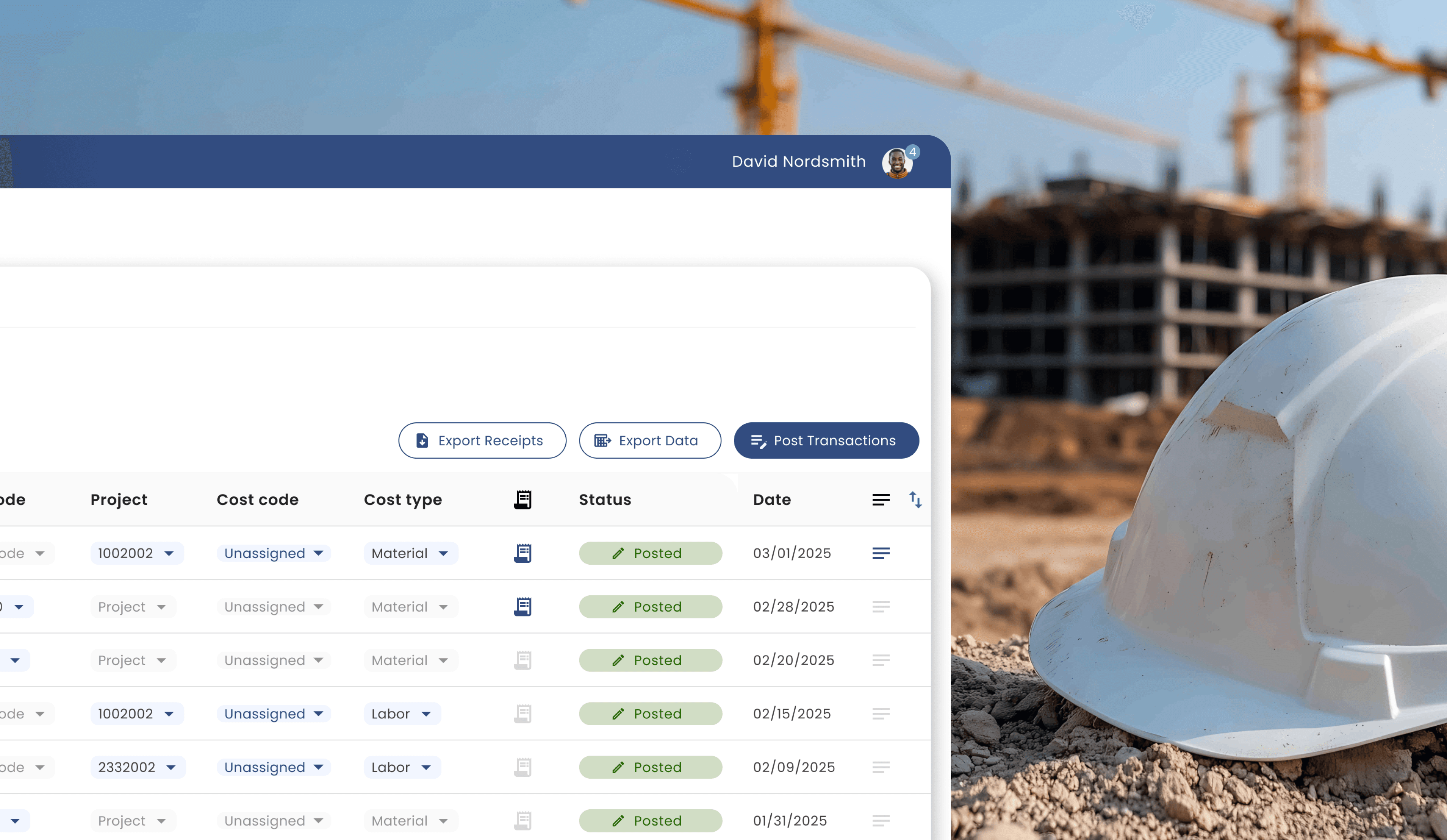
When you use Speedchain, your finance team can set features like spending thresholds and automated card lockout, ensuring accountability. Every admin approval is logged automatically in the Speedchain platform, creating a transparent audit trail that eliminates the need for email follow ups or a receipt chase. Approvals that once took days now happen in seconds.
Looking ahead
Approvals will always be a part of financial governance, but how they function is changing rapidly. Many construction companies are redesigning their workflows to include streamlined expense management systems like Speedchain that add greater value to their business.
Streamlined approvals strengthen oversight without adding time to complete. And when your system enforces compliance automatically, finance gains accuracy, operations gain agility, and the entire company gains momentum.
When you use Speedchain, your finance team can set features like spending thresholds and automated card lockout, ensuring accountability. Every admin approval is logged automatically in the Speedchain platform, creating a transparent audit trail that eliminates the need for email follow ups or a receipt chase. Approvals that once took days now happen in seconds.
Looking ahead
Approvals will always be a part of financial governance, but how they function is changing rapidly. Many construction companies are redesigning their workflows to include streamlined expense management systems like Speedchain that add greater value to their business.
Streamlined approvals strengthen oversight without adding time to complete. And when your system enforces compliance automatically, finance gains accuracy, operations gain agility, and the entire company gains momentum.
